With the proliferation of movies and TV series, studios are turning from Hollywood to the heartland. This means filming in different locations and using a different workforce.
We speak with Justin Siler, adult and career development coordinator at CareerTech, about what his division is doing to prepare Oklahoma’s workforce for the big screen.
From welding to carpentry, from plumbing to electrical work, trade and industrial education is one of the most diverse divisions at Oklahoma CareerTech.
Until recently, that division was led by John Day, who joined us in the studio to give an overview of this wide-reaching division, as well as his insight on where it goes from here.
With the state legislature and budget negotiations in full swing, the beginning of the year is always a busy time for CareerTech. This time, however, those challenges are being met with a new person at the helm: Brent Haken.
In a conversation recorded in February, we get to know CareerTech’s new state director. He talks about his experiences as an instructor and administrator that led him to this new position and his long-term goals for advancing career and technology education in Oklahoma.
You can view a video of our conversation with Brent Haken here:
Have you started a small business? Do you know someone who has?
The challenges of starting out from scratch are well known, but what you may not know is that CareerTech has resources to help make growing a small business easier.
Carter Merkle of Oklahoma’s Procurement Technical Assistance Center sat down with us to talk about the ways in which OkPTAC connects small businesses in the state with government agencies.
You can view a video of our conversation with Carter Merkle here:
You can view videos of the business leaders we talked to at ICBSSHOW here:
CareerTech’s Interim State Director Dr. Lee Denney sat down with Russell Ray to tell us about her unique role at the agency.
She also shares her thoughts about the CareerTech student organizations and the many ways the system delivers on its promises to students and businesses across the state.
CareerTech Horizon is becoming CareerTech Conversations!
We will still be bringing you the amazing stories from people within Oklahoma’s CareerTech System, but with a slightly different approach, as they tell their stories in their own words. We will also be bringing you some of our episodes in video format on CareerTech’s YouTube Channel.
Thanks to everyone who stayed subscribed to us during our hiatus. You should already be on track to hearing our newly revamped podcast. Our first episode, featuring CareerTech’s Interim State Director Dr. Lee Denney, will be hitting your feeds soon.
Be sure to spread the word about our new rebranding, and we’ll see you soon!
Do you remember last year when meat was difficult to find?
When the lockdowns went into effect, and major meat producers had to scale back production in the fight against COVID-19, many Oklahomans sought out local sources of meat. However, that highlighted a new problem: workforce shortages.
In this episode, we examine Oklahoma’s meat shortage and how teamwork from all over the state seeks to train more meat processors to prevent another shortage.
We’ll examine how Oklahoma lawmakers responded to the initial meat shortage and began to expand the state’s local processing capacity.
We’ll look into how CareerTech teamed up with the Department of Agriculture, Food and Forestry to train a new workforce in a partnership that paid dividends.
We’ll hit the road to check out high schools and tech centers adding meat processing to their curriculum.
Check out the new Mobile Meat Processing Lab – a refrigerated semi-trailer converted into a classroom on wheels.
A new Oklahoma-certified beef standard seeks to help farmers and ranchers market their meat directly to consumers.
You can subscribe to our podcast on Apple, Spotify, Google, TuneIn or Stitcher or ask your smart speaker to play “CareerTech Horizon.”
Also, don’t forget to follow us on Twitter @CT_Horizon, or on Facebook to stay up to date with this ongoing project. Visit our website for show notes, episode trailers and bonus content “Beyond Your Horizon” at http://cthorizon.org
Have you ever thought about where your food comes from? Have you thought about the processes and the people involved with getting it to your plate?
In our Season 2 premiere, CareerTech Horizon takes a dive into Oklahoma agriculture, the challenges the industry faces and the new opportunities for people to get involved in it.
State Agriculture Secretary Blayne Arthur gives us a look at the industry and how it fared during the pandemic.
John Patrick Lopez of Lopez Foods tells us about food processing. Some things changed with technology, but he still needs hard-working people, too.
OSU’s Cynda Clary takes us through the many jobs available in agriculture, many of which don’t involve farm work.
CareerTech’s Scott Nemecek explains how they are training the next generation of ag workers.
Nikki Snider of the Oklahoma Pork Council works to bridge the gap between farmers and consumers.
You can subscribe to our podcast on Apple, Spotify, Google, TuneIn or Stitcher or ask your smart speaker to play “CareerTech Horizon.”
Also, don’t forget to follow us on Twitter @CT_Horizon, or on Facebook to stay up to date with this ongoing project. Visit our website for show notes, episode trailers and bonus content “Beyond Your Horizon” at http://cthorizon.org
Head over to our Facebook or Twitter to see the video version of this trailer!
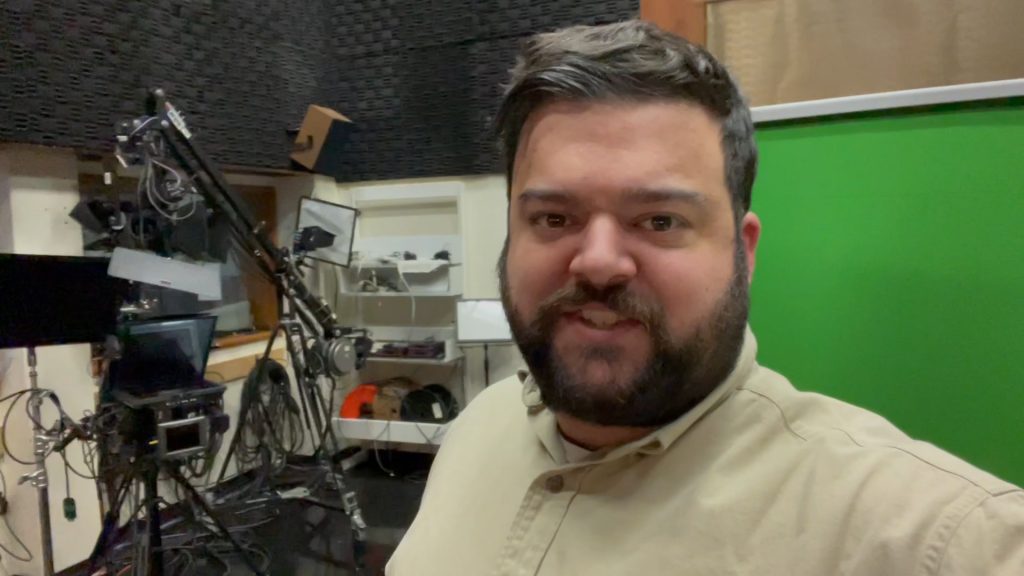
In the lead-up to CareerTech Horizon’s Season 2 debut, producer Blane Singletary takes you behind the scenes, onto the set of the show, to talk about how the pandemic changed the way the shows were put together.
We also talk about our next episode about how Oklahoma’s agriculture industry went through its own trials, as many in the state faced a food shortage. Through these difficult times, however, new opportunities have emerged, and a variety of jobs are available for those willing to step up.
Subscribe to the show with your favorite podcast app or platform. Or, ask your smart speaker to “Play CareerTech Horizon.”
2020 has been called a lot of things, and most of them aren’t very nice. But at least one positive situation has emerged from this challenging year – a profound appreciation of our frontline health care workers.
As COVID-19 fills hospitals with critically ill patients, nursing homes battle the virus among its patients and staff, and front line nurses give countless COVID tests and now…vaccines…now, more than ever, Oklahomans owe a debt of gratitude to workers in the health care industry and those who train health care workers.
In this season finale episode:
We talk about the worldwide nursing shortage and its effect on Oklahoma’s health care system.
Connie Romans tells us about a generous gift from a CareerTech grad that’s benefitting health care educators and students across the state.
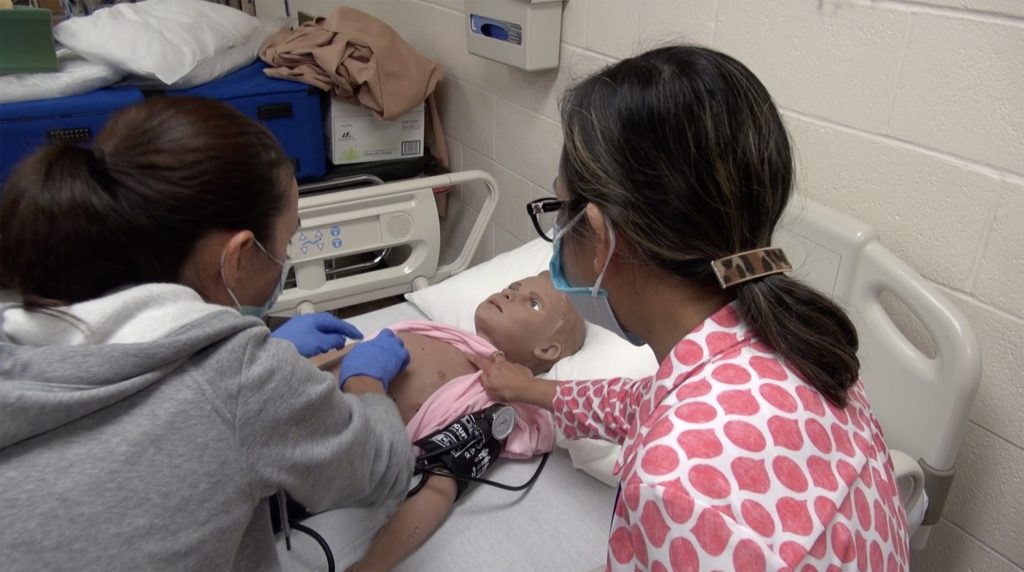
We hear about some of the challenges of training students for health careers – in the middle of a pandemic.
We’re reminded that men and women can follow whatever career path they choose…especially in health care!
You can subscribe to our podcast on Apple, Spotify, Google, TuneIn, Stitcher, or ask your smart speaker to “Play CareerTech Horizon.”
Also, don’t forget to follow us on Twitter @CT_Horizon, or on Facebook to stay up to date with this ongoing project. Visit our website for show notes, episode trailers, and bonus content “Beyond Your Horizon” at http://cthorizon.org

 CareerTech Horizon is becoming CareerTech Conversations!